Tokyo / Guide
Shimokitazawa: Pick a Direction, Not a List of Shops
Shimokitazawa下北沢
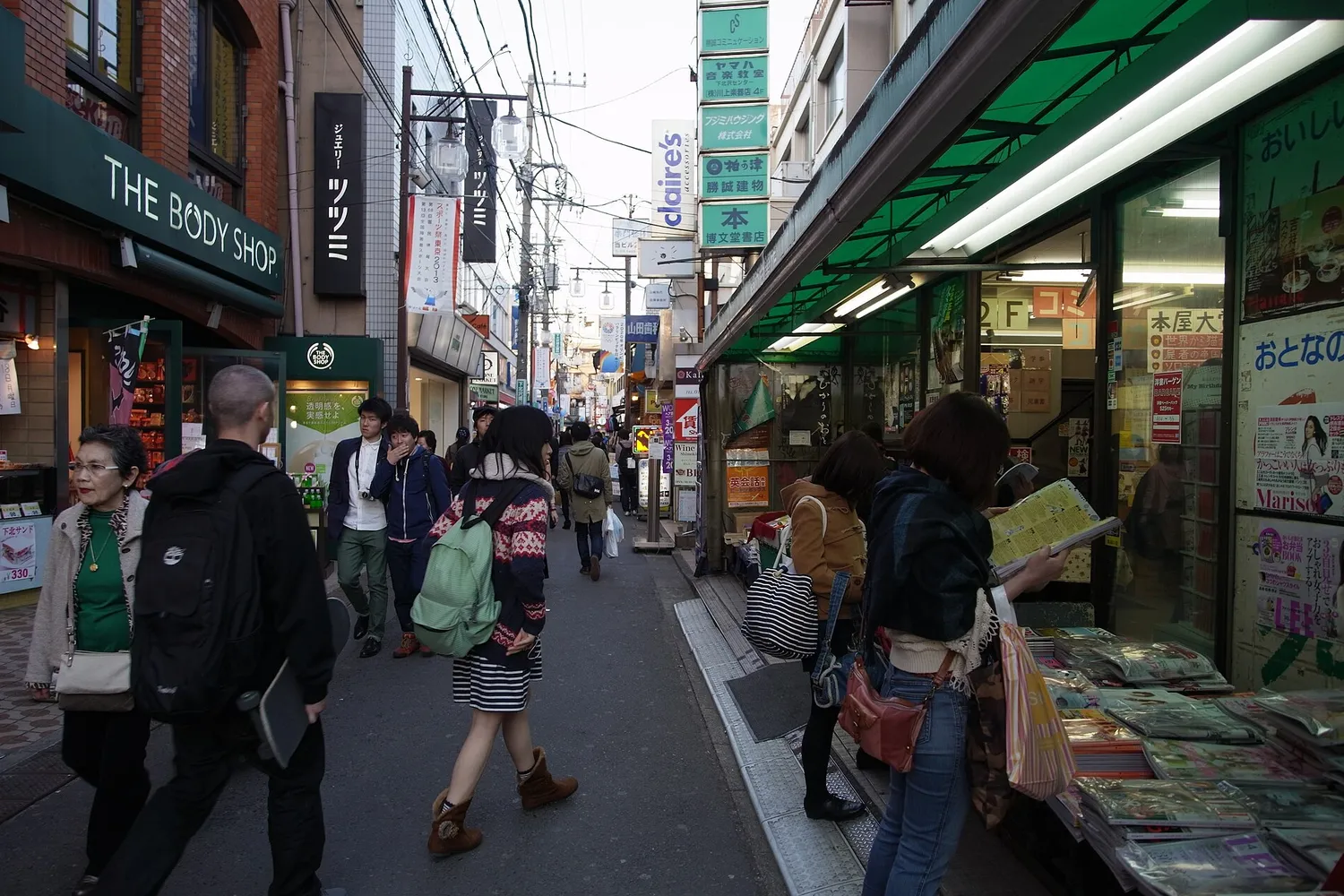
I live close to Shimokitazawa, and I go there a few times a month. The area around the station has been redeveloped over the years, but it is still full of young people, vintage clothing shops, small restaurants that are not chains, live music venues and theatres. The whole place has an artsy feel.
The shops do not stop. They spread out from the station in every direction, and they carry on down the side lanes, so there is always something to find. If you come, come by day, and pick a direction from the station instead of a list of shops.
Why a list will not help
A Tokyo government report counted about 760 member shops across the shopping streets around Shimokitazawa Station. With that many, a list only gets in the way; the fun is in what you find.
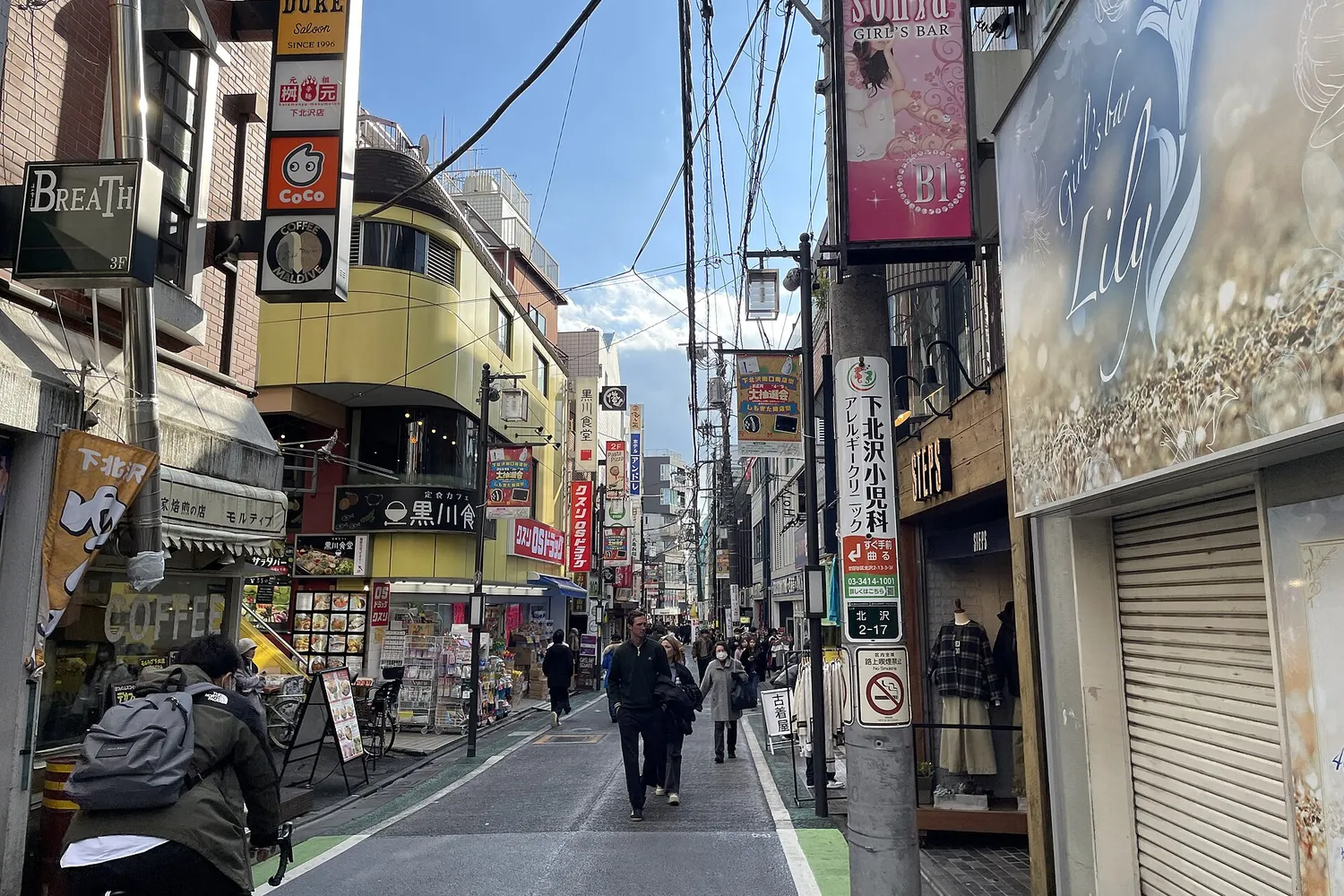
The lanes themselves are the reason. reload, one of the new buildings by the station, describes the area this way: narrow lanes that get in the way of cars, dead ends that appear without warning, and paths people walked before the war, still in use. That is exactly what I mean when I say the shops carry on down the side lanes.
So I would not plan a route. Walk out of the station, choose any street, and turn off whenever a side lane looks interesting. Most shops open around late morning, so arrive just before lunch and give yourself the afternoon.
Where the trains used to run
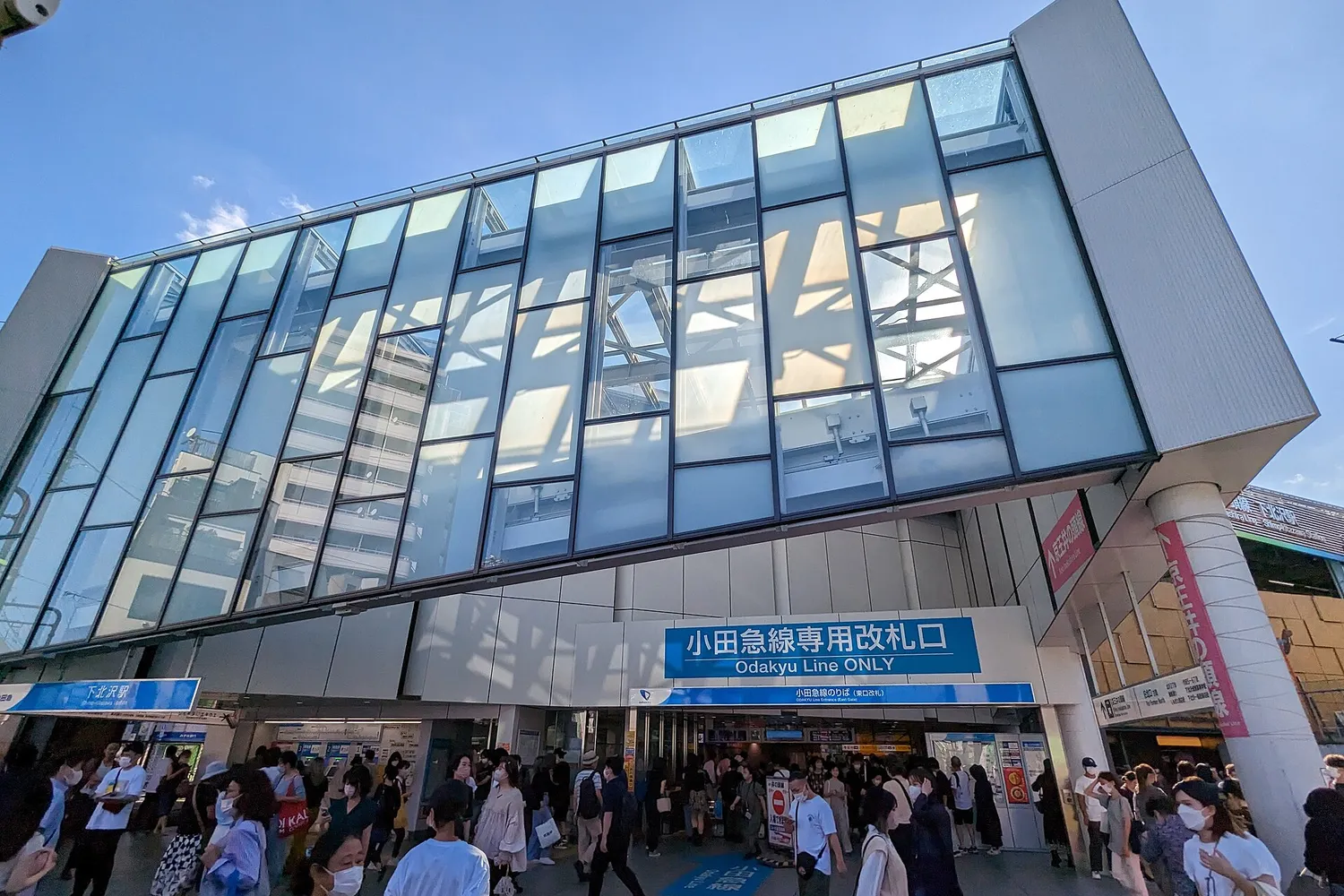
Until 2013, the Odakyu Line ran through Shimokitazawa above ground. Then it was moved underground, and the land where the tracks had been was opened up for something new.
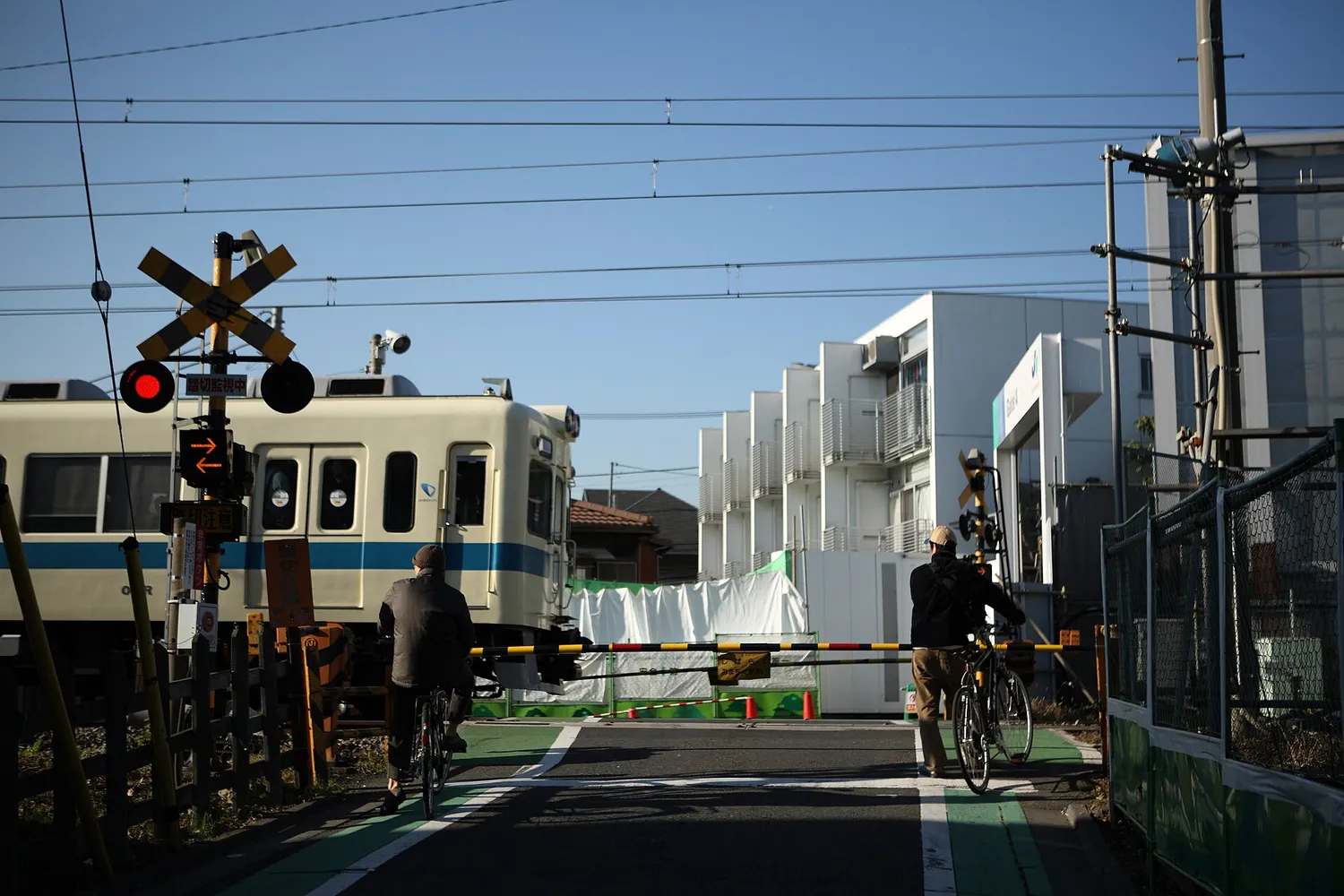
That strip is now called Shimokita Senrogai, which means the Shimokita railway-line district. It runs about 1.7 km, from Higashi-Kitazawa Station through Shimokitazawa to Setagaya-Daita Station, and new places have opened along it one after another.
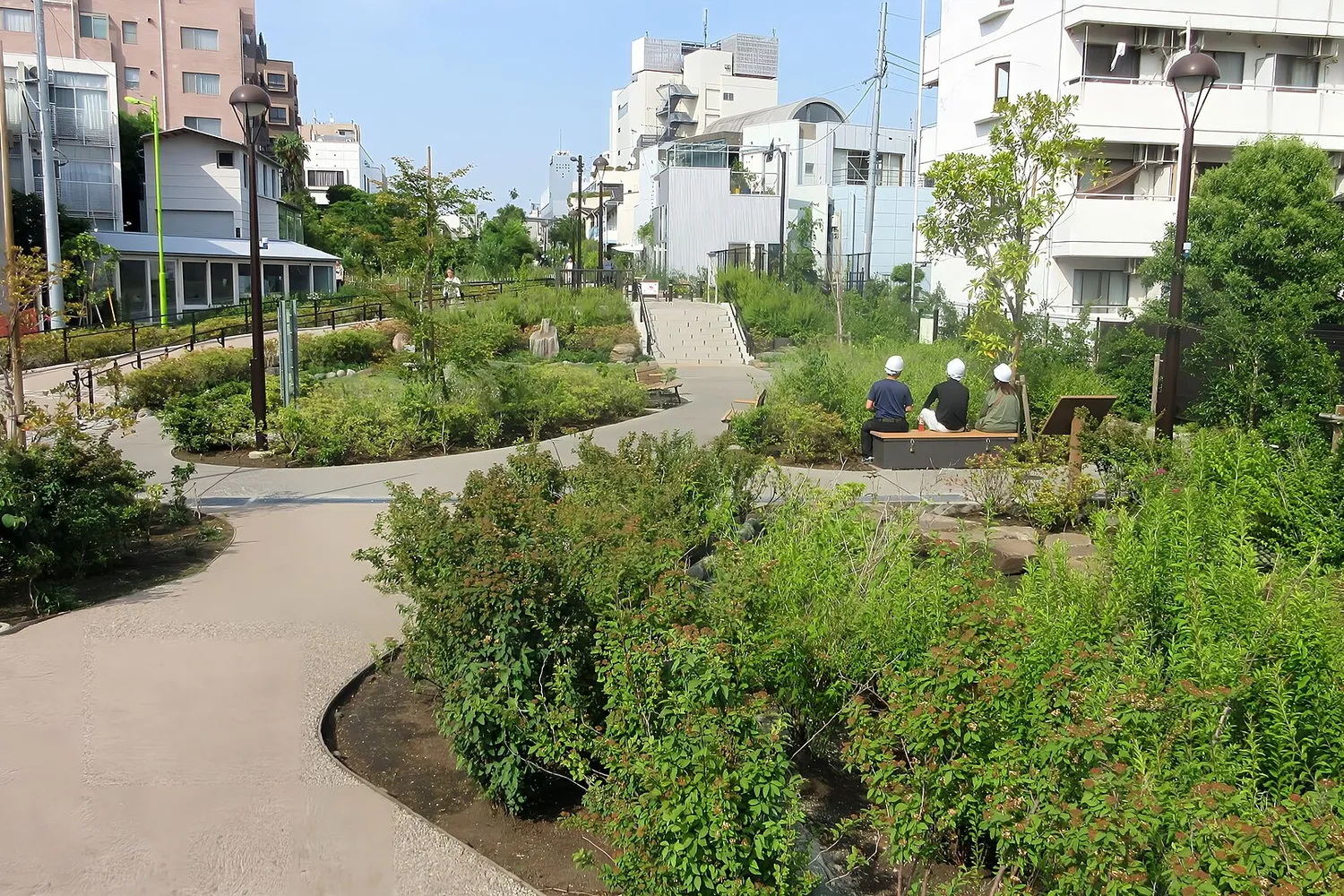
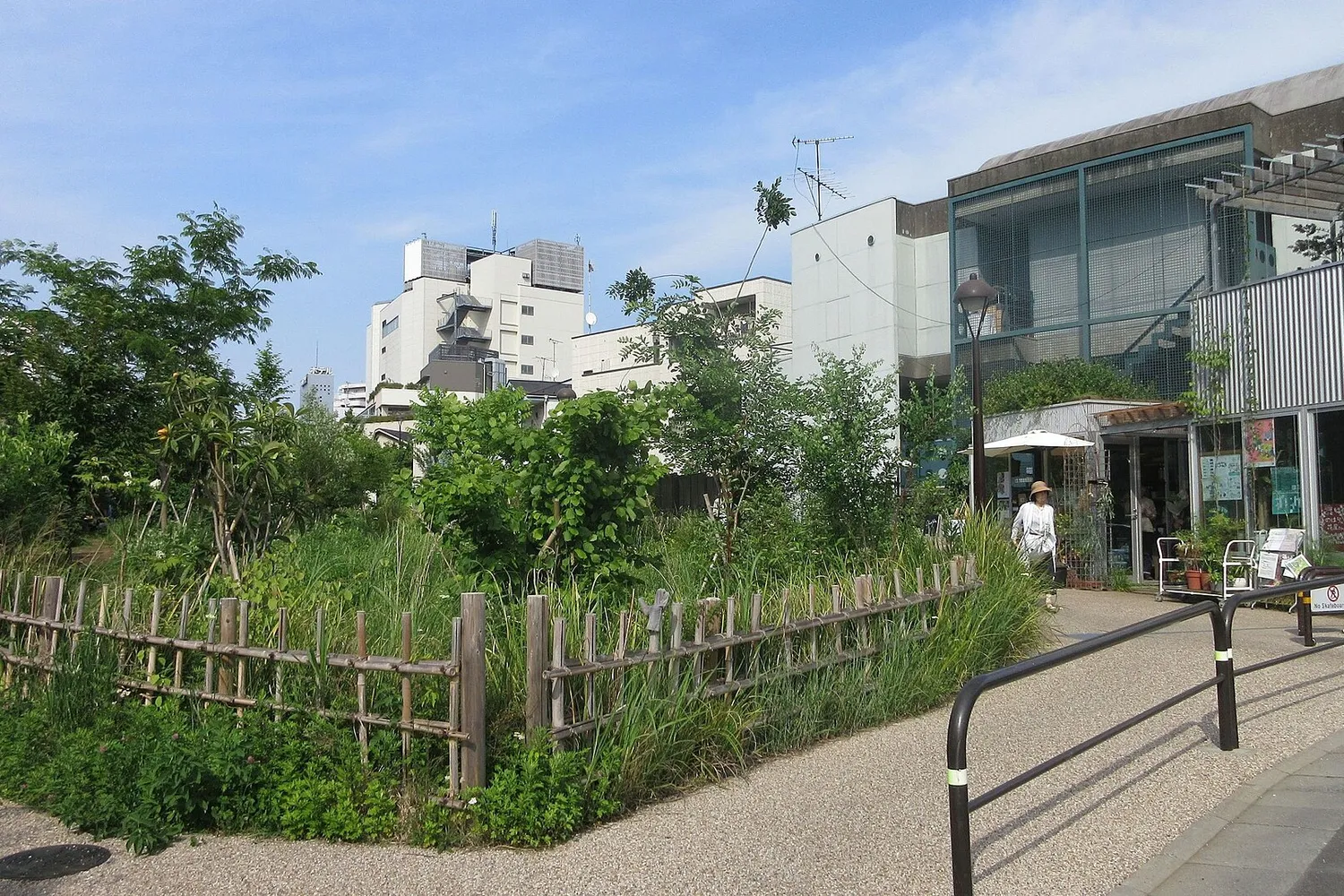
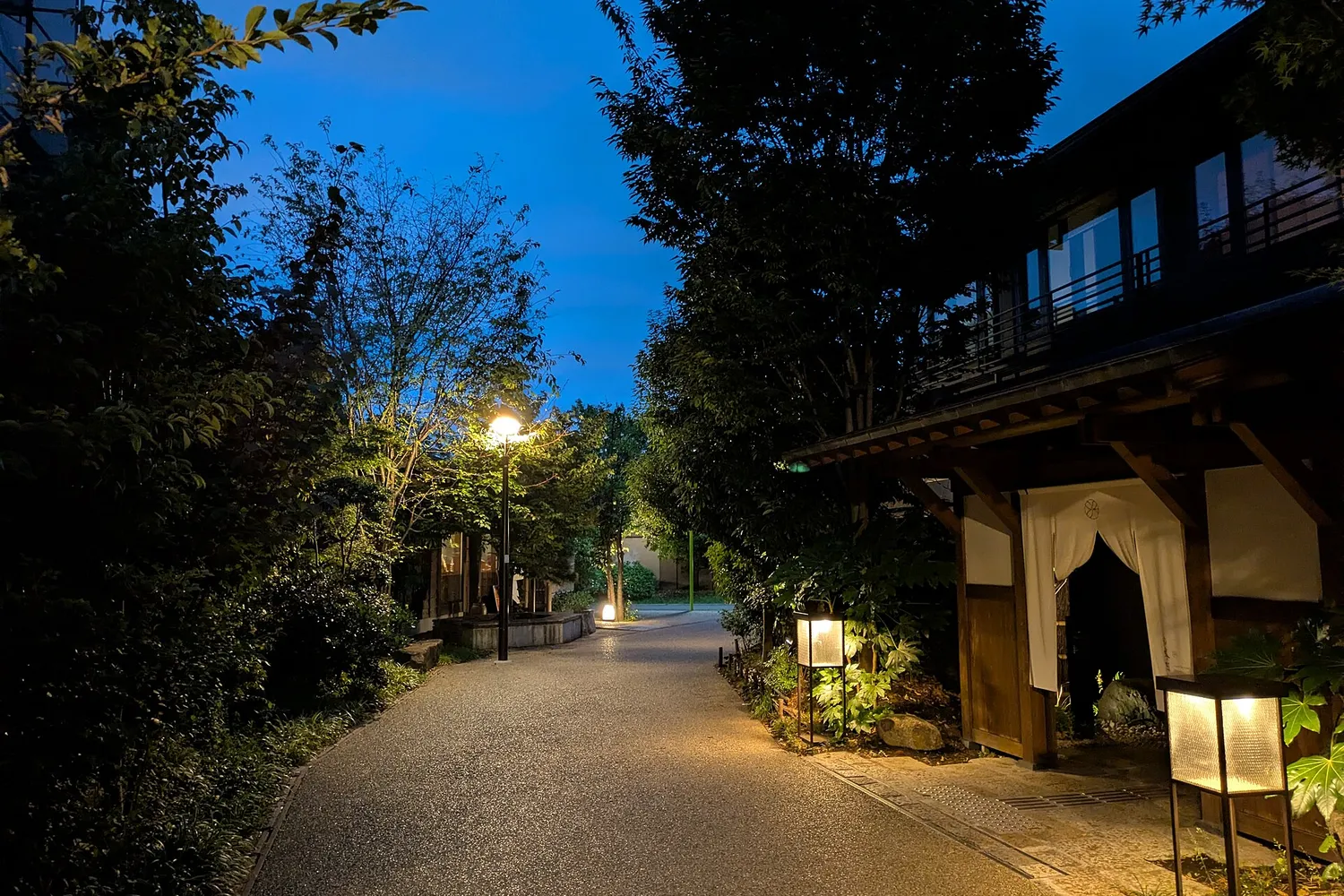
Near the station, reload is a cluster of small buildings set along little lanes, filled with independent shops and cafés. The railway company that built it says it wanted a street of individual shops where you can see the owner’s face, rather than a row of chains.
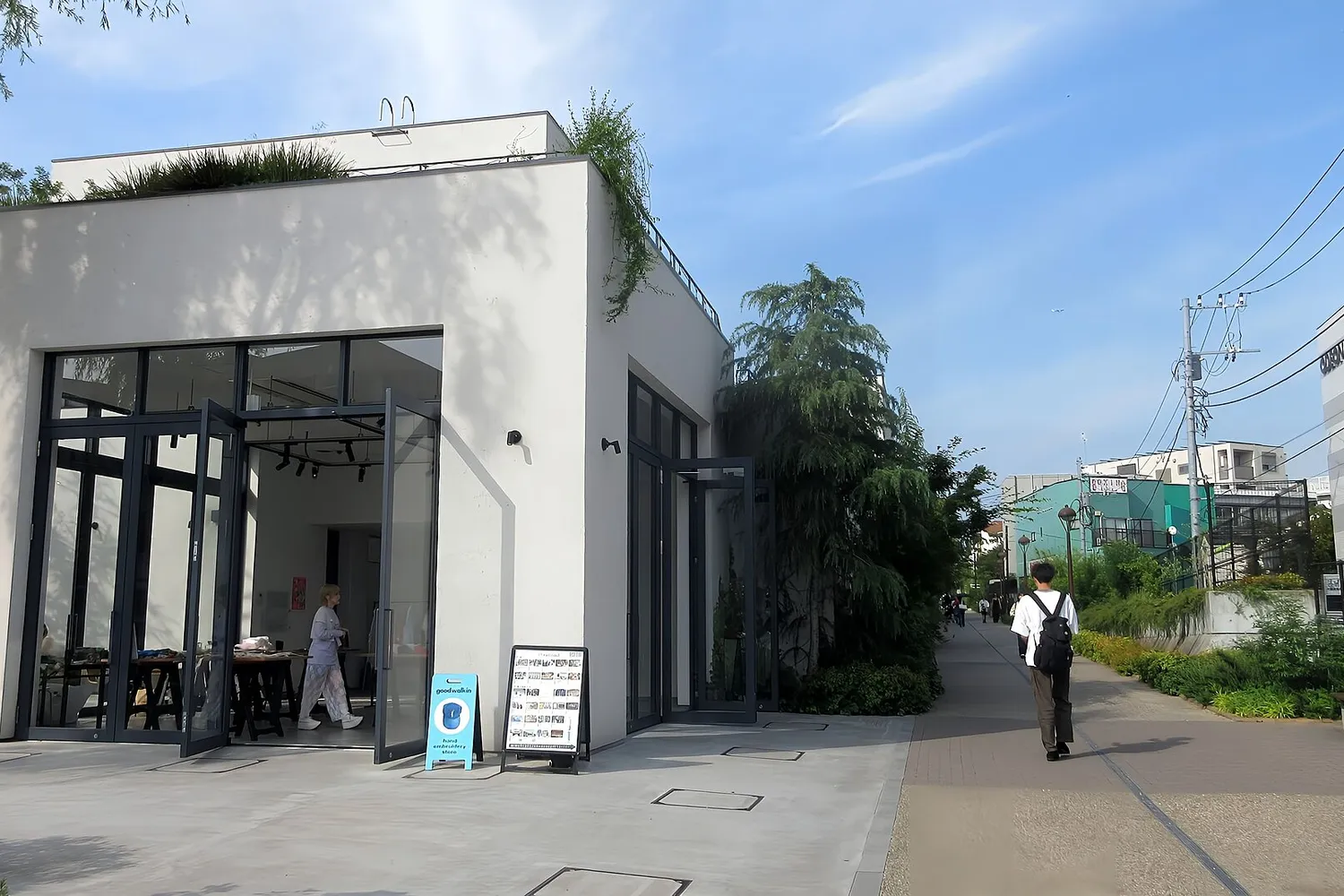
Walk on towards Setagaya-Daita Station and you reach BONUS TRACK, a row of small shops around an open square, about halfway between the two stations. If you are with family and want somewhere to sit for a while, it is worth the detour.
I have walked the old railway land myself, around reload and BONUS TRACK. I honestly cannot say whether I like it more or less than what the town had before. Either way, it is now one more direction you can pick from the station.
Vintage on the pavement
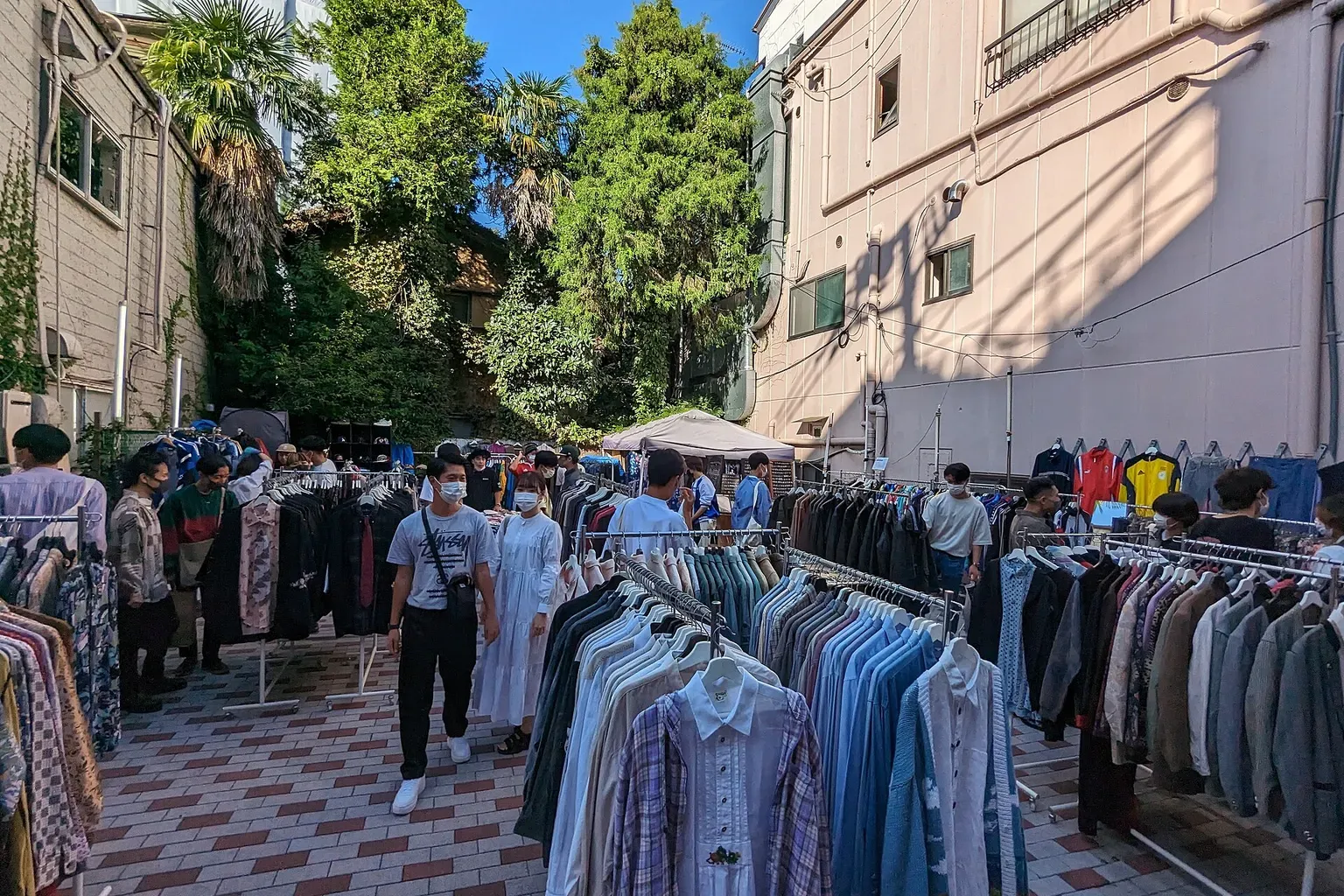
There are a lot of vintage clothing shops in Shimokitazawa. Tokyo’s official tourism site calls it one of the city’s main areas for second-hand clothes, with everything from large shops at reasonable prices to small shops down back lanes that focus on one style of vintage.
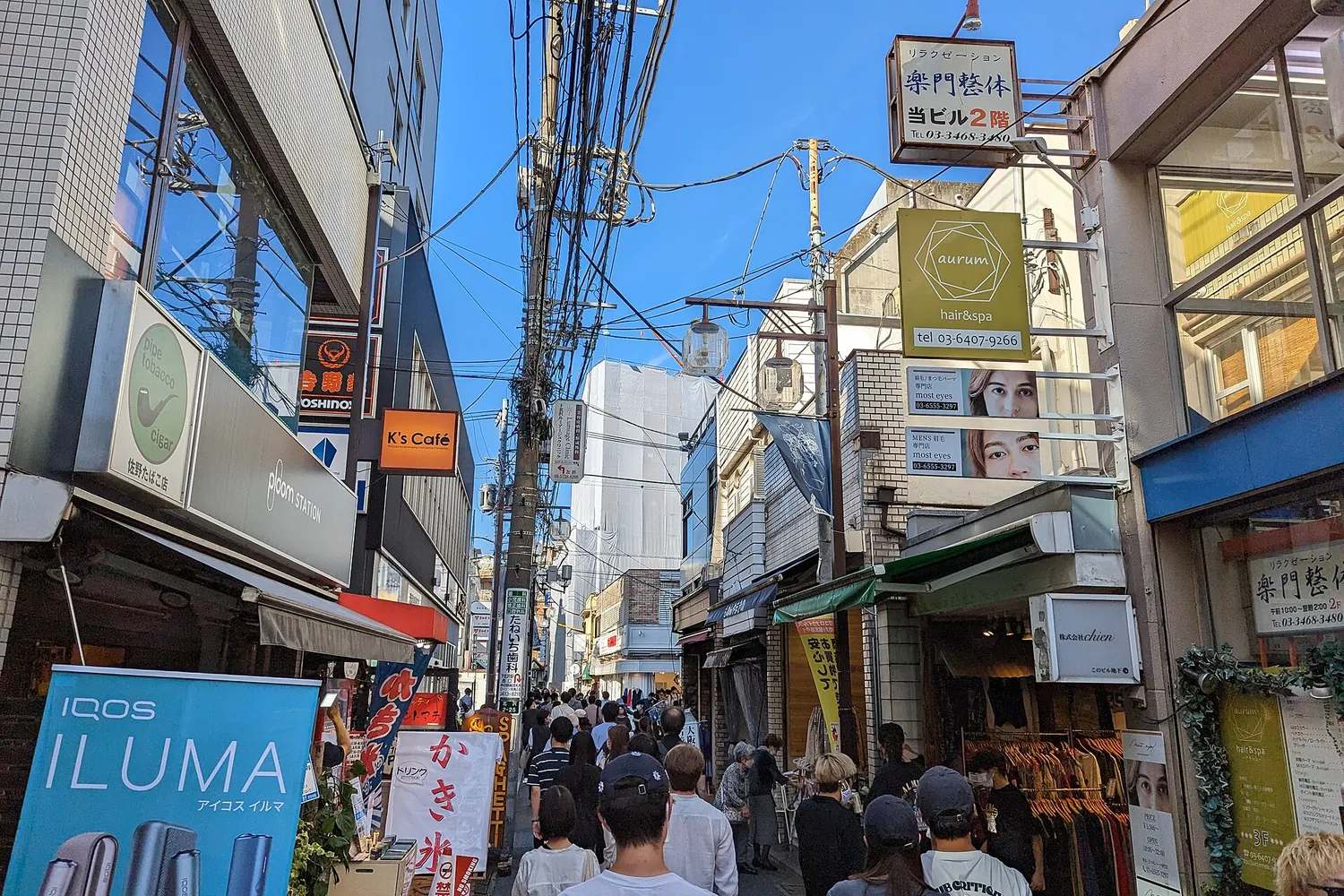
If clothes are the reason you came, go to the Minamiguchi shopping street on the south side of the station. The vintage shops there put racks of clothes out in front, so you can tell what kind of shop each one is before you step in.
Theatres and live music
For me, the theatres and live music venues are a big part of the town’s artsy feel, even though I have not been inside one yet. The Honda Theater group runs eight small theatres here, from Honda Theater itself to The Suzunari.
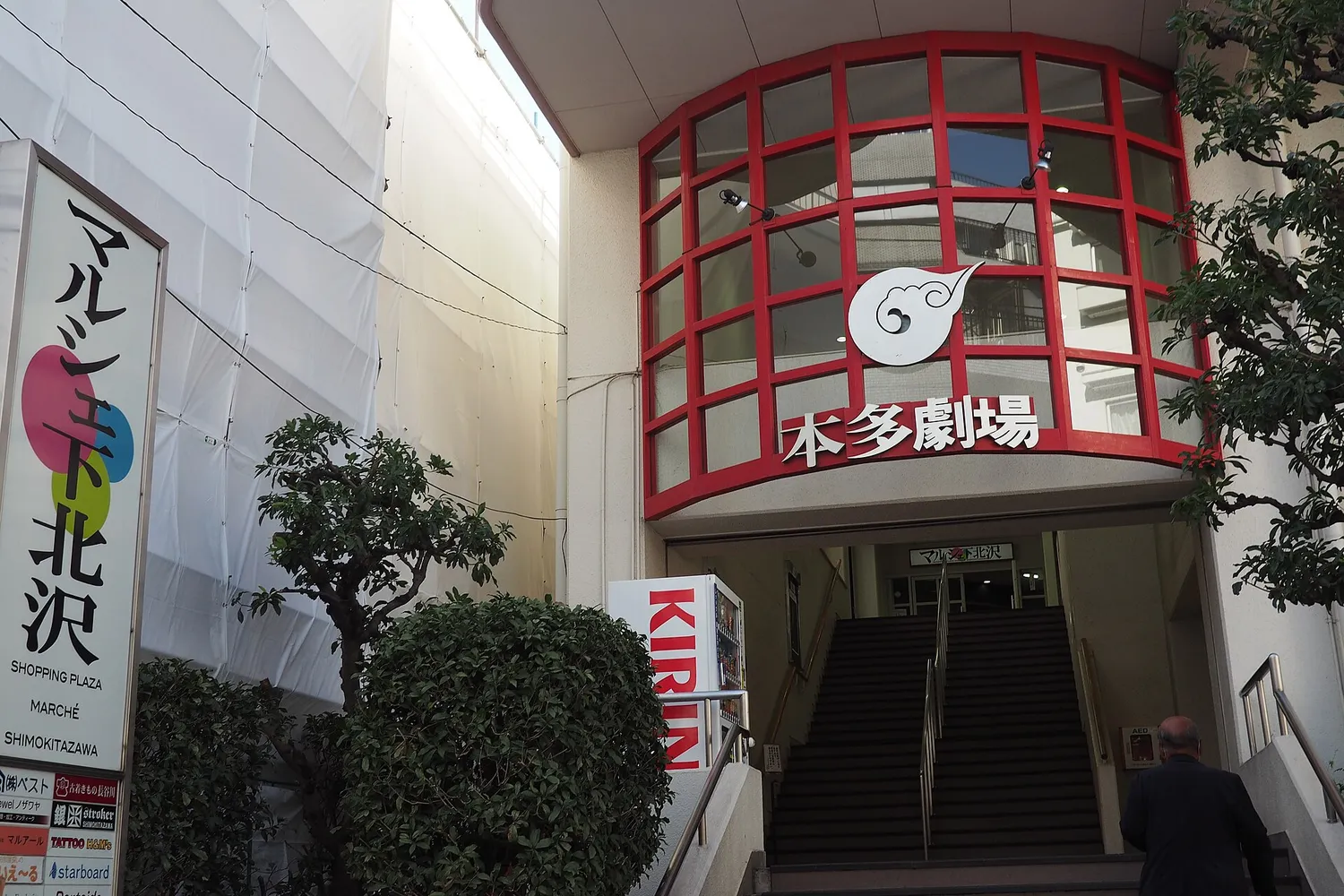
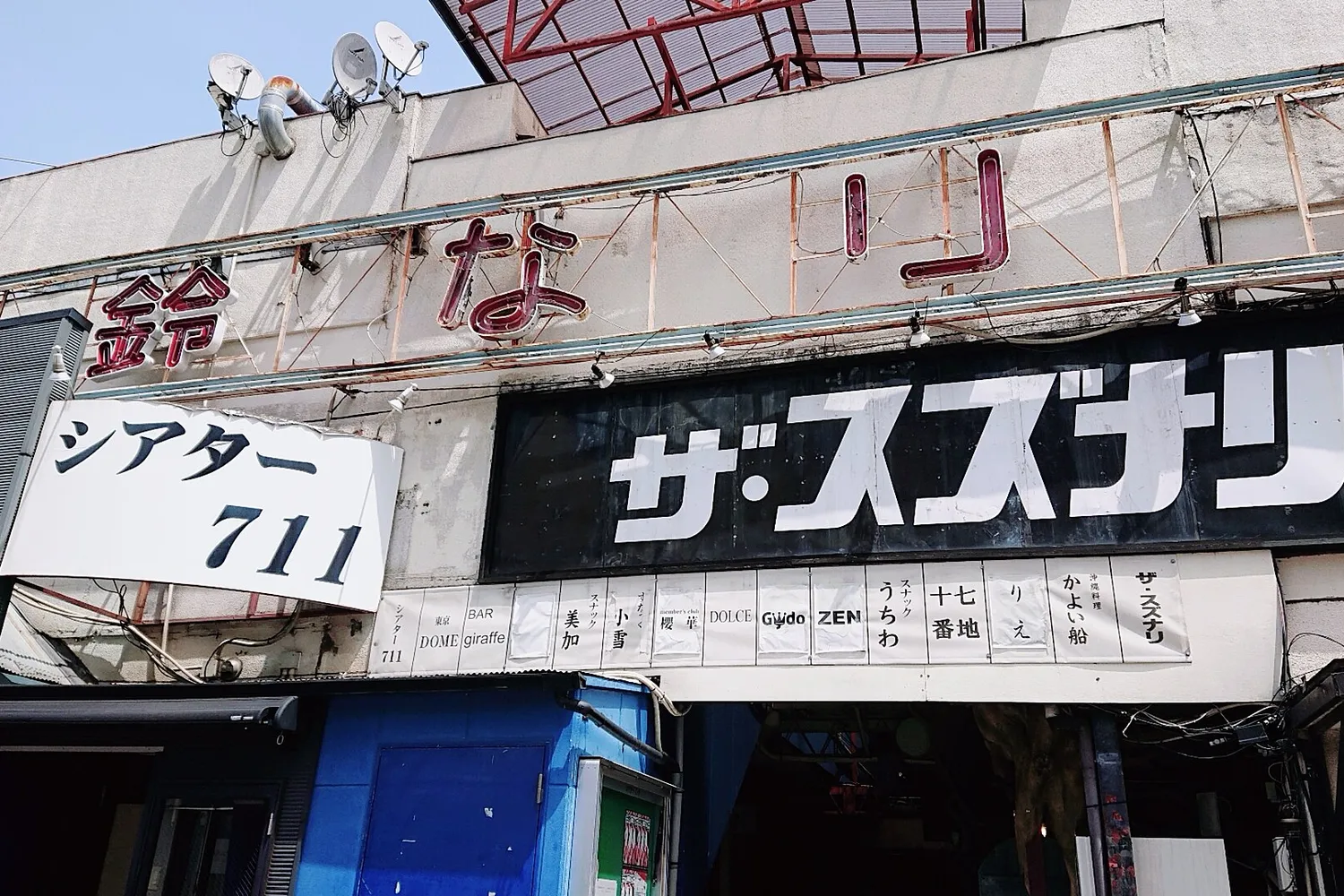
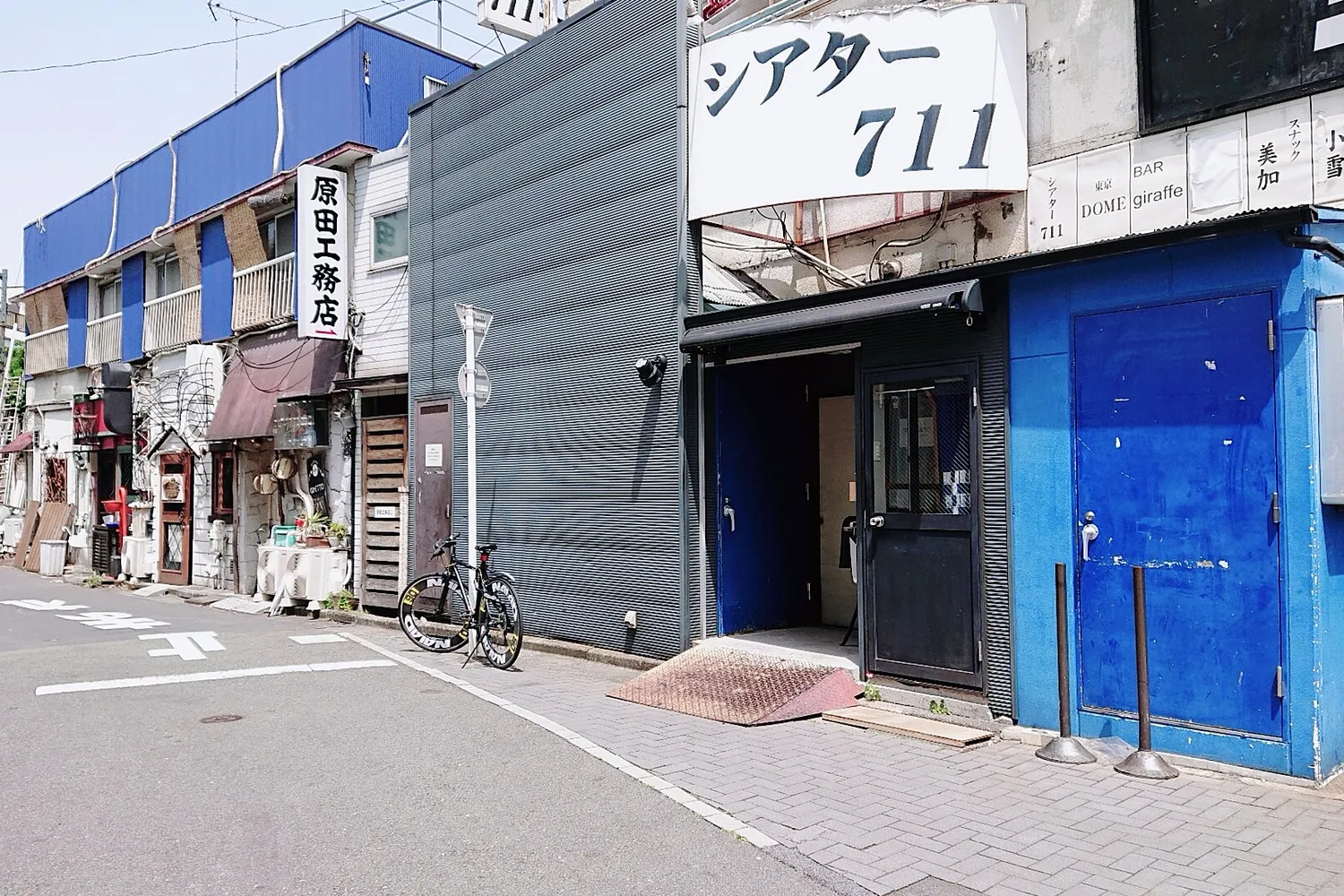
Shimokitazawa also has many live houses, jazz bars and record shops. If you love theatre or live music, stay on after a day in the lanes and catch a show.
If you come around Setsubun
For Setsubun, the bean-throwing festival that marks the turn towards spring, the Ichibangai shopping street holds the Shimokitazawa Tengu Festival over three days. Tengu are long-nosed mountain spirits, and a cart carrying a huge tengu mask follows the parade.
When the beans are thrown here, nobody says “demons out.” People call “good luck in” three times instead, because, the local story goes, once a place is full of good luck, the demons leave on their own.
Before you go
| Getting there | Shimokitazawa Station, on the Odakyu Line and the Keio Inokashira Line. Close to both Shibuya and Shinjuku. |
| Shops | Most shops open around 11:00. Each shop keeps its own hours and days off. |
| reload | 3-19-20 Kitazawa, Setagaya-ku, Tokyo (東京都世田谷区北沢3-19-20). About 4 minutes’ walk from Shimokitazawa Station. Shop hours vary. Official site: reload |
| BONUS TRACK | 2-36-12 to 2-36-15 Daita, Setagaya-ku, Tokyo (東京都世田谷区代田2-36-12〜15). About halfway between Shimokitazawa and Setagaya-Daita stations. Shop hours vary. Official site: BONUS TRACK |
| Honda Theater | 2-10-15 Kitazawa, Setagaya-ku, Tokyo (東京都世田谷区北沢2-10-15). Programmes for all the group’s theatres: Honda Theater group |
| Shimokitazawa Tengu Festival | A three-day Setsubun festival on the Ichibangai shopping street. Check the shopping street’s site for the year’s dates: Shimokitazawa Ichibangai |
What I would do
In Shimokitazawa, I would arrive just before lunch, walk out of the station without a list, pick a direction and follow the side lanes wherever they lead.
We have visited Shimokitazawa. The practical information was checked against the official sources below on 13 November 2026.
- Odakyu Electric Railway (Japanese) — the move underground, Shimokita Senrogai and its facilities, reload and BONUS TRACK: odakyu.jp
- reload — its description of the area’s lanes, address and access: reload-shimokita.com
- BONUS TRACK (Japanese) — location and address: bonus-track.net
- Tokyo Metropolitan Government, Bureau of Industrial and Labor Affairs (Japanese) — the shopping streets around the station and their member shops: sangyo-rodo.metro.tokyo.lg.jp
- Shimokitazawa Ichibangai Shopping Street (Japanese) — the Tengu Festival: shimokita1ban.com
- Honda Theater group (Japanese) — the theatres and their opening years, and the Honda Theater address: honda-geki.com
- GO TOKYO, the official Tokyo travel site — vintage clothing, the Minamiguchi shopping street, shop opening times and live music: gotokyo.org
- Photographs: the vintage racks (the lead image), the station exit and the narrow shopping street by Syced (CC0, cropped); the shop street by ウィ貴公子 (CC BY-SA 4.0, cropped); the level crossing by Masahiro Hayata (CC BY-SA 2.0, cropped); the shopping street before the line went underground by Ryosuke Yagi (CC BY 2.0, cropped); the green path, Nonohara and reload by Souka Kinmei (CC0, cropped); the old railway land at dusk by Mikagekawase (CC BY 4.0, cropped); the small shopfront by Stephen Kelly (CC BY 2.0, cropped); the Honda Theater entrance by nakashi (CC BY-SA 2.0, cropped); The Suzunari and Theater 711 by 経済特区 (CC BY-SA 4.0, cropped); all via Wikimedia Commons.
More in Tokyo
- Shibuya Crossing and Shibuya Sky — For the crossing seen from an open roof, with little more than your phone in your pocket
- Senso-ji and Asakusa — For the dragon carved under the Kaminarimon lantern, and the lit grounds after five
- Harajuku and Meiji Shrine — For a forest planted with broad-leaved trees instead of cedar, then a crepe on Takeshita Street
- Tokyo Skytree and Tokyo Tower — For one tower to look out from and one to look at, up its outdoor stairs
- Akihabara — For starting in Radio Kaikan, where figures share the building with vacuum tubes
- Where to Stay — For choosing where to sleep by what you want to see after dinner and before breakfast
Explore other areas
- Hokkaido — Sapporo
- Kanto — Hakone, Tokyo · You are here
- Hokuriku — Kanazawa
- Koshin-Tokai — Fuji Five Lakes
- Kansai — Nara
- Chugoku — Hiroshima
- Kyushu — Fukuoka
- Okinawa — Naha
